Fast. Reliable. Local.Water Damage Restoration
Water Damage Restoration
in Oxnard, CA
When water damage affects your Oxnard property, Oxnard AquaFix helps you understand the next steps. We cover water extraction, mitigation, structural drying and restoration planning with a clear local focus.
◈ Water Damage Response◉ Advanced Drying Guidance⌂ Residential & Commercial● Local Oxnard Focus
Our Services
Restoration Services for Oxnard Properties
Explore focused services for water, flood, fire and mold-related property damage.
Fire Damage Restoration
Cleanup and restoration planning for fire, smoke, soot and firefighting-water damage.
Learn More →Mold Removal
Moisture-focused removal and cleanup of mold-affected materials in Oxnard properties.
Learn More →●
Proudly Serving All of Oxnard
We provide water damage restoration information and services throughout Oxnard, CA, including ZIP codes:
93030930319303293033930349303593036
▣
Residential & Commercial
Homes, apartments, rental properties, businesses and more.
Water damage? Start here.
Protect People First. Then Understand the Water.
If water has entered your property, you do not need to know the restoration terminology before asking for help. Start with the safest practical steps.
Stop the Source If Safe
Shut off a leaking fixture or appliance when you can do so safely. A plumber may be needed when the source requires plumbing repair.
Avoid Electrical Hazards
Do not enter standing water where electrical equipment, outlets or wiring may be involved. Put safety ahead of saving materials.
Document What You See
Take photos or video of affected rooms, materials and visible water before cleanup changes the scene, when it is safe to do so.
Get the Affected Area Assessed
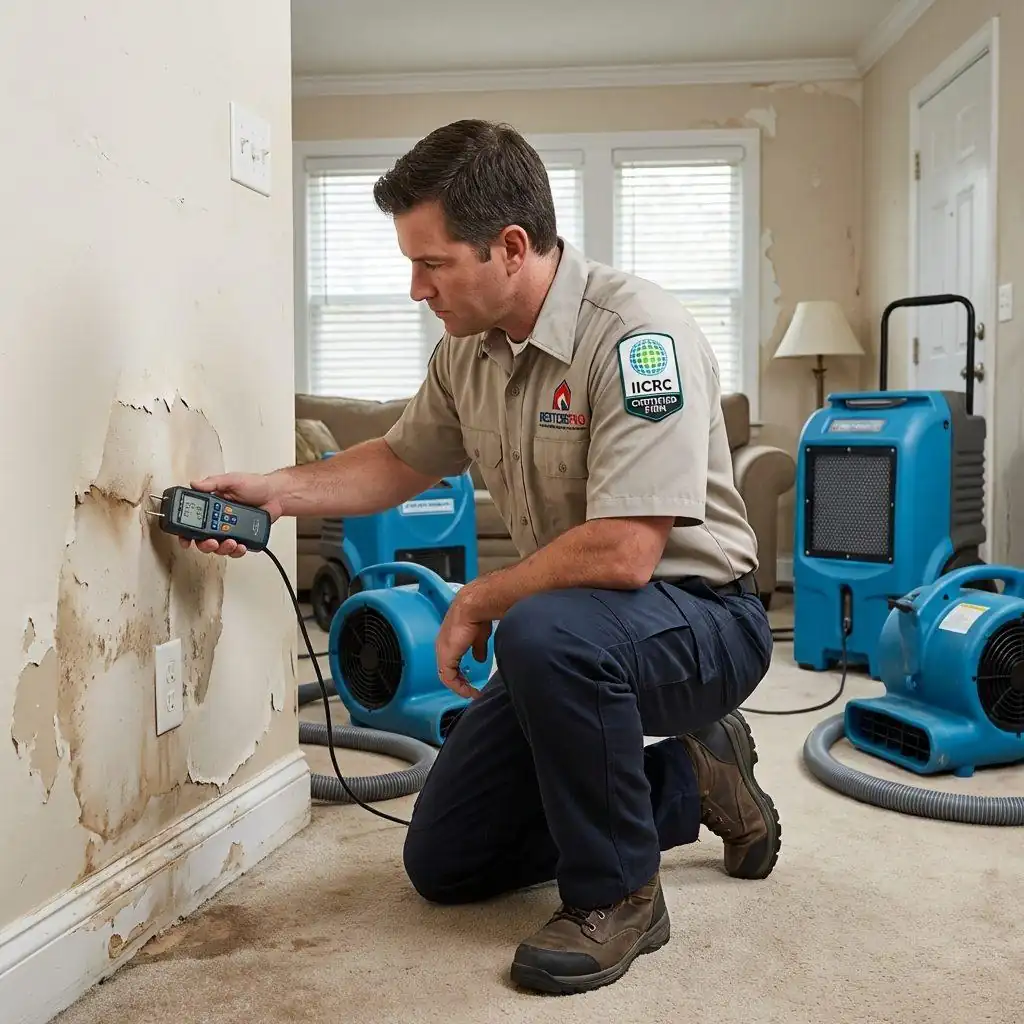
The visible wet spot may not show where water has traveled. Assessment helps determine what needs attention next.
Hidden moisture matters
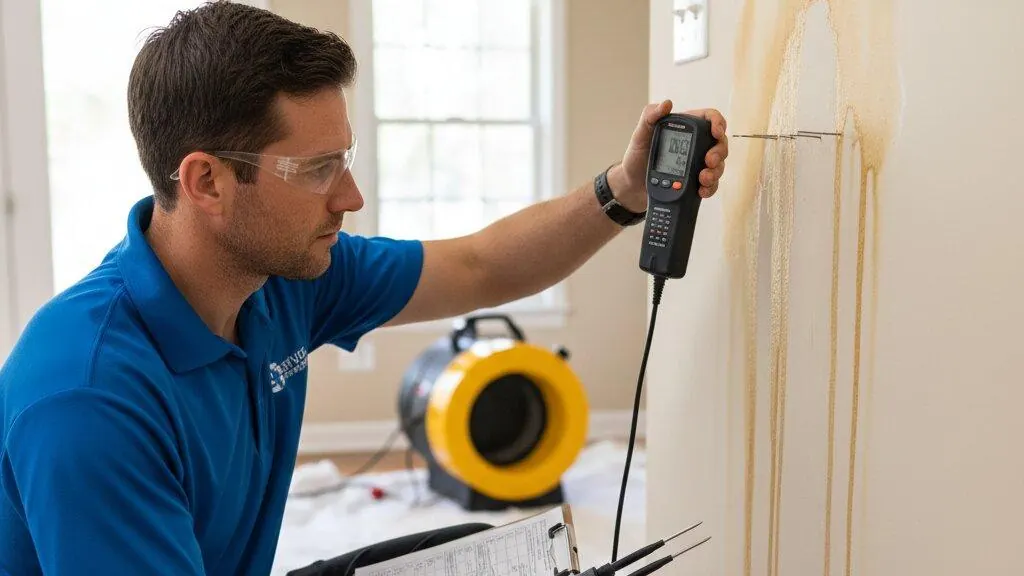
The Wet Spot May Not Tell the Whole Story.
Water can move beyond the place where you first notice it. Depending on the event, moisture may travel under flooring, behind walls, into cabinets, around baseboards or into other building materials.
That is why a useful assessment looks beyond the obvious puddle or stain. The goal is to understand the affected area before deciding what should be removed, dried, cleaned or repaired.
- Visible standing water or saturated flooring
- Wet drywall, cabinets, baseboards or insulation
- Ceiling stains or water from an upper level
- Damp odors or moisture that keeps returning
A common question
Do You Need a Plumber or a Restoration Company?
Sometimes the answer is one. Sometimes it is both. The key is understanding which problem is being solved.
Plumber
Typically addresses the source of the water—for example a failed pipe, fixture or plumbing connection.
Restoration
Addresses the resulting property damage—such as standing water, wet materials, moisture migration and drying.
A clearer customer journey
What Happens After You Contact Oxnard AquaFix?
Restoration should not feel like a mystery. The exact work depends on the cause and extent of the damage, but the decision path can be straightforward.
What caused the water? Is the source still active? What areas are affected?
Look at visible damage and consider where moisture may have traveled.
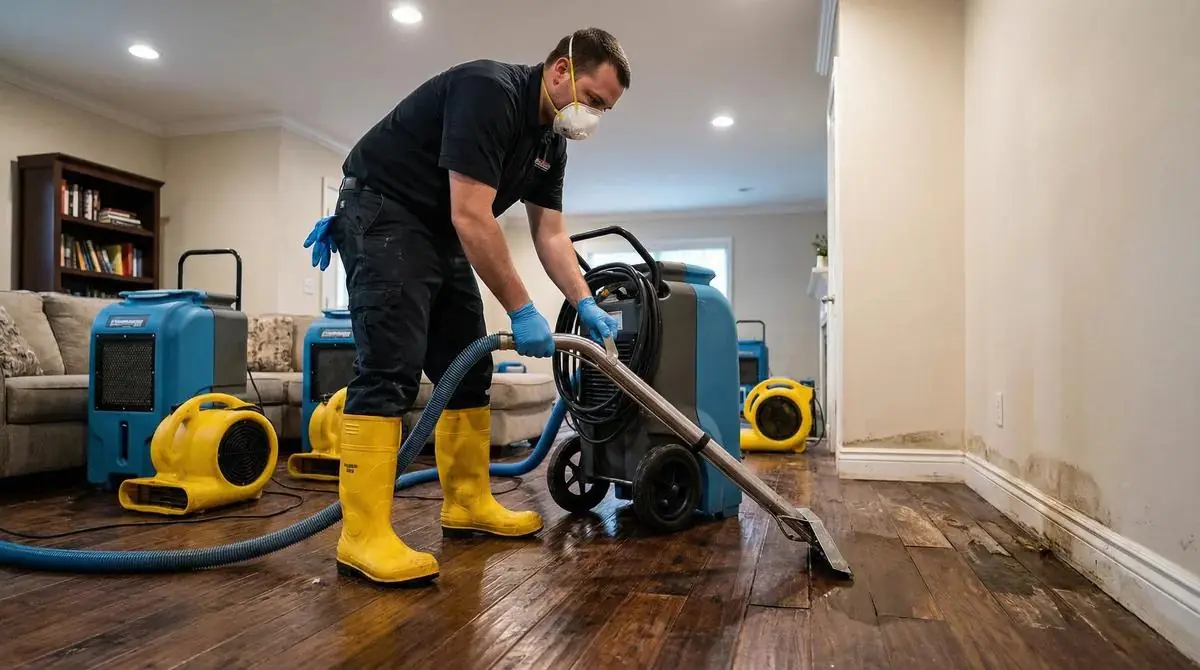
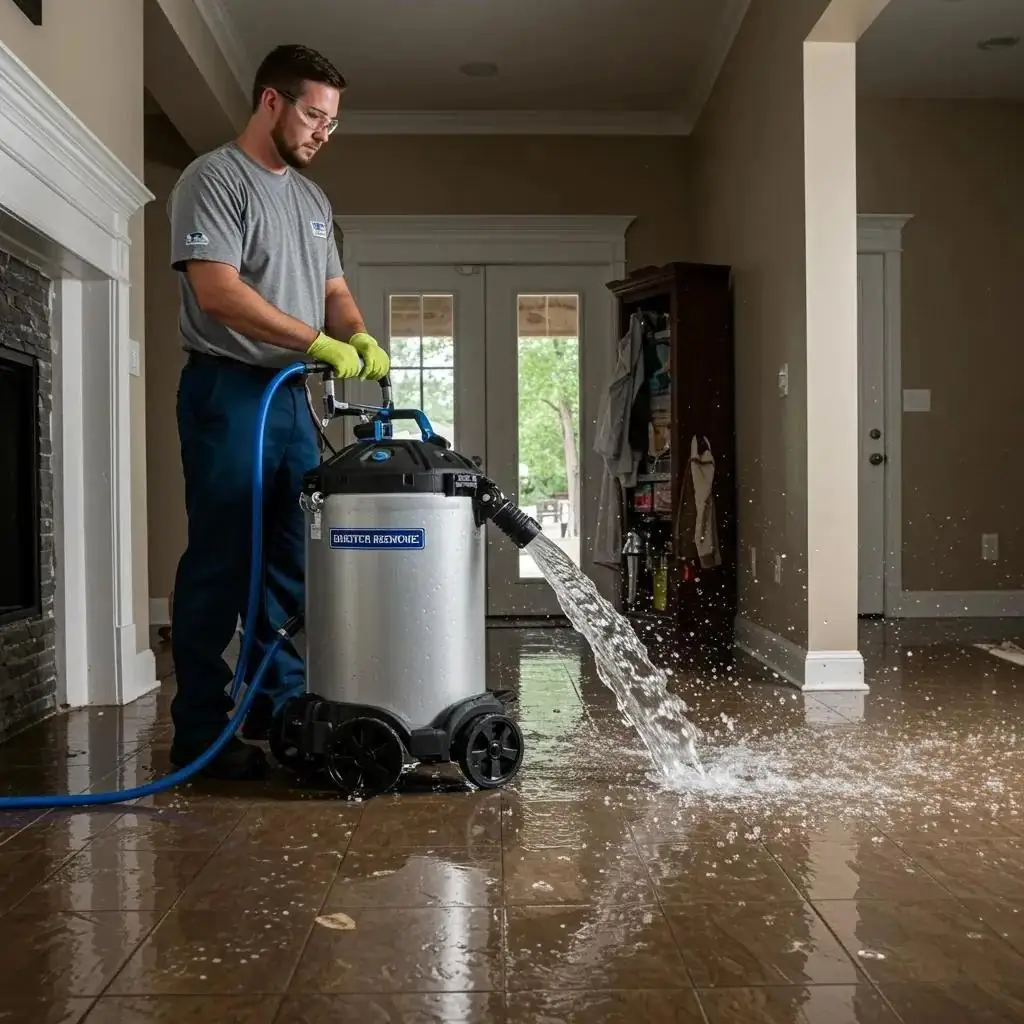
Where standing or retained water is present, removal is an important early step.
Drying focuses on affected materials and conditions rather than simply making a room look dry.
Some situations need cleaning or material removal; others progress to repair or reconstruction.
Once the mitigation stage is understood, the remaining restoration work can be planned around the actual damage.
Local context
Water Damage in Oxnard Has More Than One Cause.
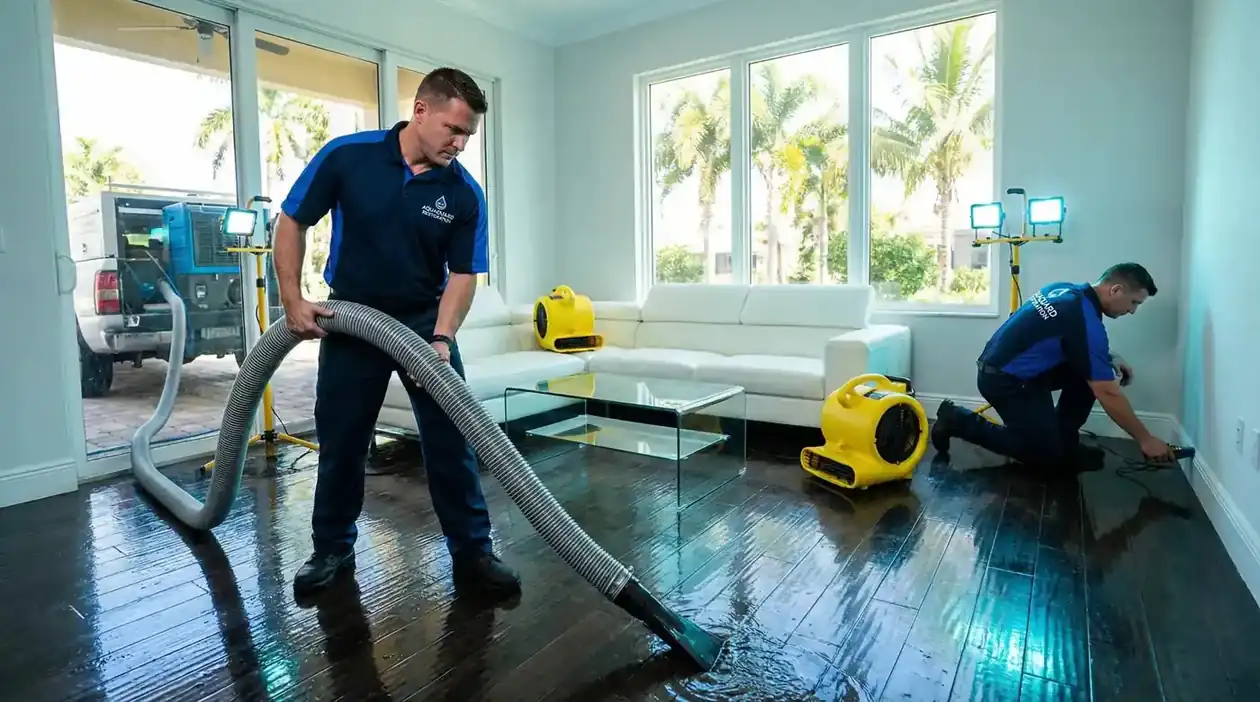
Oxnard properties can experience water problems from everyday plumbing failures as well as storm, drainage and flood-related conditions. The right response depends on the source and the materials affected.
Plumbing leaks
Leaking or burst supply lines, fixtures and connections.
Appliances
Washing machines, dishwashers, refrigerators and other equipment can release water unexpectedly.
Water heaters
A failed tank or connection can send a large amount of water into a property.
Toilets & sewage
Overflow and backup situations require careful attention to the water source and contamination.
Roof & exterior intrusion
Water can enter through vulnerable exterior areas during wet weather.
Storm & flood water
Flooding and heavy rainfall can introduce water from outside the property.
Water from another area
Leaks can migrate from an upper floor, neighboring unit or another part of a building.
Unknown source
A stain, damp smell or recurring moisture may need investigation before the cause is clear.
Drying is not the whole story
Water Damage Repair May Involve More Than Drying.
Drying and mitigation can be important early steps, but some properties also need material removal, cleaning, repair or reconstruction.
Oxnard's own flood-damage guidance distinguishes between smaller repairs and work involving items such as structural wood, electrical systems, exterior finishes and mechanical equipment. Depending on the work, permits or inspections may be required.
Good rule:
Do not assume that every damaged material should be immediately torn out—or that every material can simply be left in place. The appropriate next step depends on the material, the extent of damage and the conditions found at the property.
Insurance & documentation
Dealing with Water Damage and Insurance? Start with the Facts.
Coverage depends on the policy, the cause of loss and the circumstances. Before making assumptions about coverage, document what happened and preserve useful information.
- When you first discovered the water
- What you believe caused the event, if known
- Photos and video of affected rooms and materials
- What steps were taken to limit further damage
- Invoices, estimates and relevant repair records
Why Documentation Helps
Clear records give you a better factual picture of the loss and can make conversations with your insurer, property manager, contractor or other involved parties easier.
Important: insurance coverage is policy-specific. This page is general information, not an insurance determination.
What customers need
Why Clear Communication Matters After Water Damage.
When a property is wet, customers often have the same practical concerns: How bad is it? What needs to happen now? What can be saved? What happens next?
Practical Guidance
Explain the situation in plain language instead of expecting the property owner to know restoration terminology.
Focused Assessment
Look at the affected area and explain why a particular step is being recommended.
Clear Next Steps
Separate immediate mitigation needs from later repair or reconstruction decisions.
Oxnard Context
Consider the local property, weather, flood and repair environment when explaining the situation.
Water damage questions, answered
Answers Before You Decide What to Do Next.
Prioritize safety, stop the source if it is safe, avoid electrical hazards, document the damage and get the affected area assessed. Do not put yourself at risk to save materials.
It depends on the event. Larger amounts of water, soaked building materials, sewage, hidden moisture, recurring dampness or water affecting multiple areas are situations where professional assessment can be especially useful.
A plumber generally addresses the source of a plumbing leak. A restoration company addresses resulting property damage such as water removal, drying and affected materials. Some events require both.
There is no single timeline. Drying depends on how much water entered the property, what materials were affected, environmental conditions and how much moisture remains after extraction.
Moisture can create conditions that support mold growth. The risk depends on the materials, moisture level, time and other environmental factors. Promptly addressing unwanted moisture is important.
It depends on the policy and the cause of the damage. A sudden covered event may be treated differently from excluded causes, maintenance issues or flood-related losses. Review your policy and speak with your insurer about your specific circumstances.
No. The appropriate action depends on the flooring material, how long it was wet, the type of water involved and its condition. Assessment should come before assuming replacement is necessary.
Extraction is the process of removing standing or retained water from affected areas. It may be followed by moisture assessment, drying, cleaning or material decisions depending on the situation.
Not sure what to do next?
You Don't Need to Diagnose the Entire Problem Before Reaching Out.
Tell us what happened, what you can see and where the water is affecting the property. The first goal is to understand the situation and identify the next practical step.
Oxnard AquaFix
630 Hill St
Oxnard, CA 93033, USA