
Avoid Unsafe Water
Do not walk through standing water when electrical, sewage or other contamination hazards may be present.
Floodwater can affect more than the surface you can see. Water entering from storms, exterior runoff or localized flooding may spread through flooring, drywall, insulation, cabinets and wall cavities—and the source can change how cleanup should be handled.
Oxnard AquaFix approaches flood cleanup as a recovery process: make the area safer, understand where the water traveled, remove accessible water and debris, evaluate affected materials, dry remaining moisture and identify what needs repair.

Flood conditions can involve electrical hazards, unstable materials, contaminated water and debris. If authorities have issued evacuation or re-entry instructions, follow those first.
Do not walk through standing water when electrical, sewage or other contamination hazards may be present.
If the event also involves an active plumbing source that can be safely isolated, stop it without entering a hazardous area.
Photograph rooms, water lines and affected materials before cleanup changes the scene when it is safe to do so.
Removing water is only the beginning. Materials and concealed areas may still hold moisture or require cleaning or removal.
Water from a clean supply-line leak and water entering from outdoors do not necessarily present the same conditions. Exterior floodwater can pick up soil, debris and contaminants before it reaches the building.
That changes the questions that matter: where did the water come from, what did it contact, which materials were saturated, and can those materials be safely cleaned and dried?

The exact sequence depends on safety, water source, contamination, materials and the extent of the loss. A useful process separates immediate cleanup from the later repair decisions.
Identify where water entered, how far it traveled and whether there are safety or contamination concerns.
Extract standing water where appropriate so the affected materials and concealed moisture can be evaluated.
Evaluate wet porous materials, debris and finishes rather than automatically removing everything in sight.
The source and condition of the water help determine the level of cleaning and handling needed.
Air movement, dehumidification and moisture monitoring can be used to address water that extraction alone cannot remove.
Once conditions are understood, determine what can remain, what needs repair and whether permits or inspections apply.
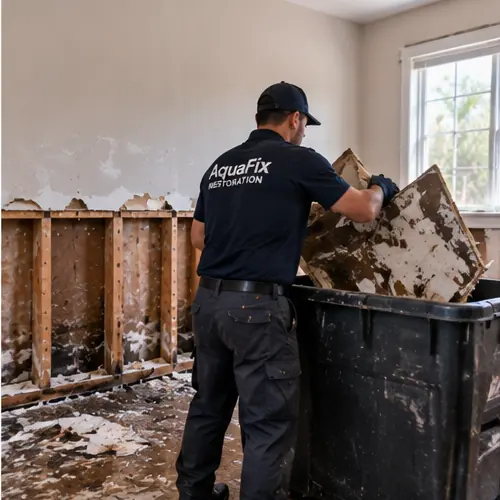
Floodwater can affect drywall, insulation, trim, flooring, cabinets and framing differently. Porous materials exposed to questionable water may require different handling from hard, cleanable surfaces.
The goal is not demolition for its own sake. It is to identify materials that can reasonably be cleaned and dried and those whose condition, contamination or damage makes removal more appropriate.
A dry-looking floor does not prove that the layers beneath it are dry. Moisture can remain in wall cavities, framing, subflooring, insulation and built-in materials.
Moisture assessment helps define the actual drying area and avoids relying only on appearance or touch.

The City of Oxnard states that areas of the city are at risk of flooding and maintains flood-preparation and recovery resources. City emergency guidance also identifies severe storms and flooding as local hazards, including risks from heavy rain and low-lying areas.
Oxnard's Building Division publishes flood-damage restoration guidance. Some minor finish replacements may not require permits, while larger drywall work, structural repairs, electrical work and certain other repairs can require permits and inspections.
Flood-related coverage depends on the policy and circumstances. Document the event and speak with the insurer rather than assuming a standard homeowners policy handles exterior flooding.
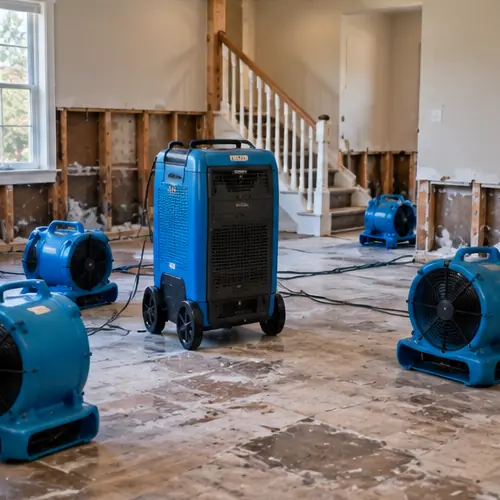
Extraction removes accessible liquid water. Structural drying addresses moisture that remains in building materials and the indoor environment afterward.
Depending on the loss, drying can involve targeted air movement, dehumidification and repeated moisture checks. The equipment plan should follow the affected area—not a fixed number of machines used for every property.
Learn about Water Extraction →
Learn about Structural Drying →
A responsible flood-cleanup estimate depends on the actual conditions. Avoid treating a single advertised price as representative of every flooded property.
Outdoor floodwater, sewage involvement and clean interior water can require different handling.
The number of rooms, water depth and how far moisture traveled change the cleanup scope.
Carpet, drywall, insulation, wood, cabinets and other materials respond differently to saturation.
Cleanup, structural drying and reconstruction are related stages but not necessarily the same scope of work.
The useful endpoint is not simply a room with no visible standing water. It is a documented understanding of what was affected, what was cleaned or removed, what still needs drying and what repair work remains.
That distinction helps property owners move from emergency cleanup toward an organized recovery plan.

Prioritize safety and follow official evacuation or re-entry instructions. Avoid uncertain standing water, document visible damage when safe, and arrange an assessment before unnecessary demolition.
No. Extraction removes accessible water. Flood cleanup can also involve debris, contamination concerns, material decisions, cleaning, drying and recovery planning.
Yes. Exterior water can contact soil, debris, sewage and other contaminants. Avoid direct contact when the source and condition are uncertain.
No. Moisture can remain in flooring, drywall, framing, insulation, cabinets and concealed spaces after visible water is removed.
Not automatically. The source, contamination, saturation, material condition and extent of damage matter. Repair and permitting requirements can also affect the plan.
Persistent moisture can support microbial growth, which is one reason prompt water removal, material assessment and drying are important after a flood.
Coverage depends on the policy and cause. Flood insurance and standard homeowners coverage are different, so ask the insurer for a policy-specific determination.
Oxnard's published flood-repair guidance says flood-damaged materials and drywall can be removed to begin drying before permits are obtained, while certain reinstallations and repairs may require permits and inspections.
You do not need to know the full cleanup scope before reaching out. Describe the event, visible water or debris, affected rooms and whether the property is currently safe to enter.
Oxnard AquaFix
630 Hill St, Oxnard, CA 93033