Quick Answer
Coverage depends on the cause of the loss and the wording of your individual policy. California's Department of Insurance says homeowners policies do not cover flood damage, while other kinds of water damage may be covered. Report the loss promptly and ask the insurer how the policy applies.
Why “Water Damage” Alone Does Not Answer the Coverage Question
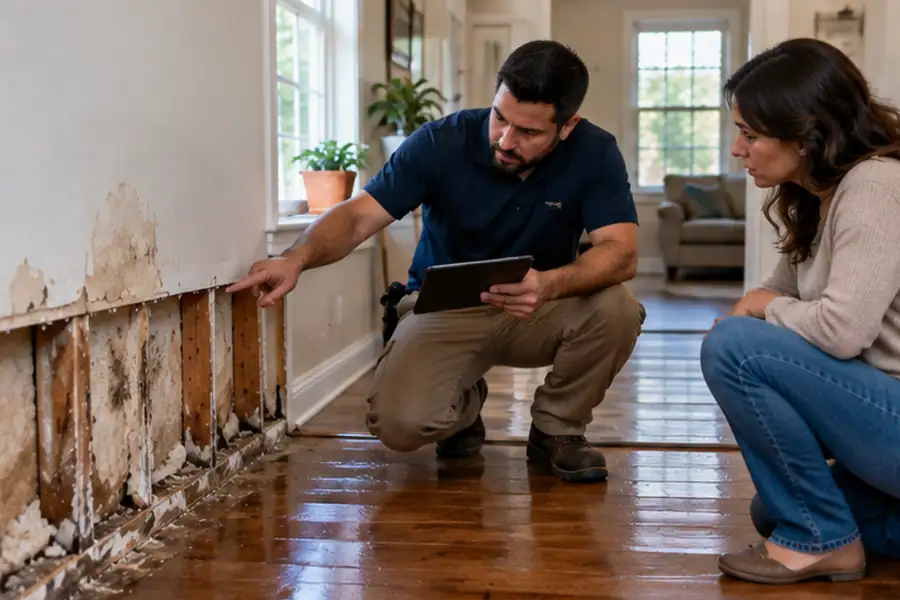
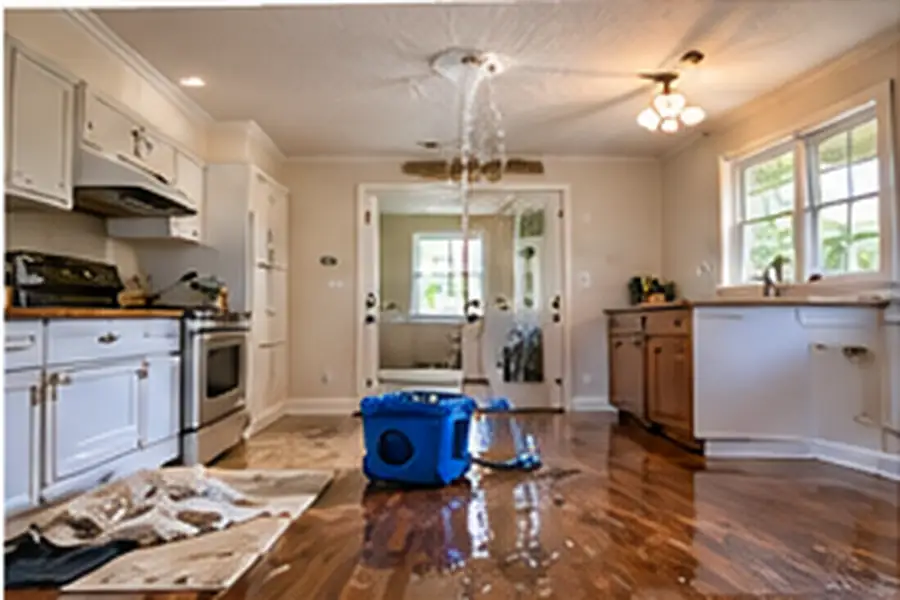
Water damage describes the result, not necessarily the insured cause. A wet ceiling can follow wind-created roof damage, a plumbing failure, long-term leakage or an external flood. Those scenarios can involve different policy provisions and exclusions. Start by documenting what is known about the source, when the damage was discovered and which materials were affected.
What California DOI Says About Homeowners Policies and Water
The California Department of Insurance states that homeowners policies do not cover flood damage but do cover other kinds of water damage. It gives an example of rain entering through a roof or window opening caused by strong winds or another covered exposure. DOI also tells consumers with water damage to check with their insurance company representative about whether the particular loss is covered. That is why this guide avoids blanket promises.
Flood Damage Is a Separate Insurance Issue
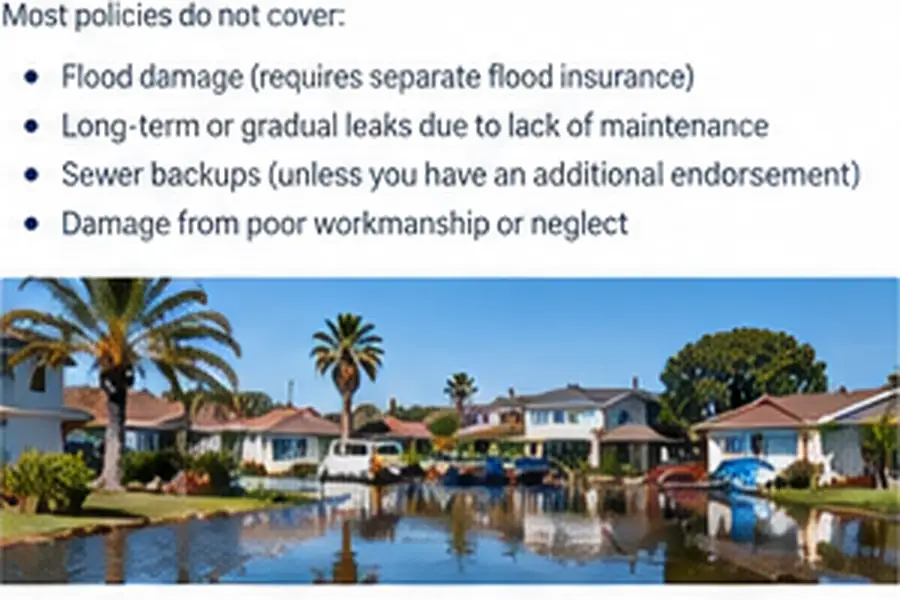
Rising or surface floodwater should not be treated as just another plumbing-loss label. California DOI notes that flood insurance can be purchased separately from homeowners insurance. Oxnard also maintains floodplain and flood-recovery resources because parts of the city are at risk of flooding. If the event involves external flooding, ask specifically which policy would respond rather than assuming the homeowners policy applies.
Sudden Water Versus Leakage Over Time
Timing matters because the physical condition and insurance analysis can change when water has been present for an extended period. California DOI tells homeowners not to ignore obvious water problems and to find and stop leaks at the source. If staining, deterioration or repeated dampness suggests a longer history, record those observations accurately instead of guessing when the problem began.
What to Do Immediately After Discovering the Loss
Prioritize electrical, structural and contamination safety. Stop the water source when it can be done safely. Photograph the source and affected rooms before major cleanup when practical, then take reasonable steps to prevent additional damage. DOI advises policyholders to protect property after a loss and save receipts for reasonable temporary measures.
Why Drying Should Not Wait for a Perfect Claim File
Documentation matters, but leaving materials wet can increase damage. EPA recommends drying water-damaged areas and items within roughly 24–48 hours to reduce the chance of mold growth. In restoration terms, recoverable liquid water may require extraction, while moisture retained in drywall, flooring or framing may require controlled structural drying and monitoring.
How Restoration Work and Insurance Decisions Differ
A restoration assessment answers physical questions: Where did water travel? Which materials are wet? Is liquid water still present? Can an assembly dry in place? An insurer answers a different question: What does the policy cover? Oxnard AquaFix should document observable conditions and work performed without representing that a claim will be paid.
What Records Are Useful During the Claim
Keep photographs, a room-by-room inventory, receipts, estimates, invoices and notes of conversations. Record dates, names and instructions from the carrier. If a plumber repairs a failed line, keep that invoice separate from extraction or drying documentation so the source repair and resulting property-damage work remain clear.
Building-code and Permit Costs Can Be Separate
California DOI notes that current building-code requirements can create additional rebuilding costs and that ordinance-or-law coverage may depend on an endorsement. In Oxnard, some larger flood-damage repairs involving drywall, structural wood, electrical work or mechanical equipment can require permits. Ask the insurer how code-related costs are treated under the policy.
Questions Worth Asking the Insurer
Ask what cause of loss the carrier is evaluating, what deductible applies, whether an inspection is needed before permanent repairs, which photographs or inventories are required, how emergency mitigation should be documented, and whether any separate limits or endorsements apply. Request explanations in writing when a decision is important.
Related Restoration Steps
If the property still contains standing water, review our water extraction guidance. If the immediate goal is limiting additional damage, see water mitigation. For moisture retained in building materials, structural drying and hidden-moisture assessment explain why a surface can look dry before the assembly is dry.
A Practical Example: Appliance Supply-line Damage
Suppose a washing-machine supply line suddenly releases water into a laundry area and adjacent hallway. The first tasks are source control, electrical safety, photographs and removal of recoverable water. The insurer may ask for the failed component, a plumber's findings and restoration documentation. The important lesson is to preserve facts: what failed, when it was discovered, where water traveled and what emergency work was necessary. Do not convert that example into a coverage promise because the individual policy still controls.
What If the Affected Materials Look Dry the Next Day?
Appearance alone is not a reliable drying test. Water can migrate beneath finished flooring, behind baseboards and into drywall or insulation. Moisture measurements compared with unaffected materials can help identify whether drying is still needed. This is also why an insurance photograph showing no standing water does not necessarily mean the physical restoration is complete.
Frequently Asked Questions
Should I Wait for the Adjuster Before Removing Standing Water?
Do not delay urgent safety measures or reasonable steps needed to prevent additional damage. Document conditions when safe, save records and ask the insurer how emergency mitigation should be reported.
Can a Restoration Company Tell Me Whether My Claim Is Covered?
A restoration company can document physical damage, moisture and work performed. The insurer applies the policy and determines coverage.
Why Are Moisture Readings Useful?
They can help define the affected area and track drying in materials that may look dry at the surface while retaining moisture internally.
Our Services
Restoration Services for Oxnard Properties
Explore focused services for water, flood, fire and mold-related property damage.
Fire Damage Restoration
Cleanup and restoration planning for fire, smoke, soot and firefighting-water damage.
Learn More →Mold Removal
Moisture-focused removal and cleanup of mold-affected materials in Oxnard properties.
Learn More →Authoritative Sources
California Department of Insurance Residential Property Claims Guide · U.S. EPA moisture guidance · City of Oxnard flood and recovery resources.