Step 1: Understand the Source and Affected Area
The first job is to understand what happened. A burst supply line, appliance overflow, roof opening and floodwater can create different conditions. The visible puddle is a starting point, not necessarily the boundary of the damage.
Step 2: Assess Moisture Beyond What You Can See
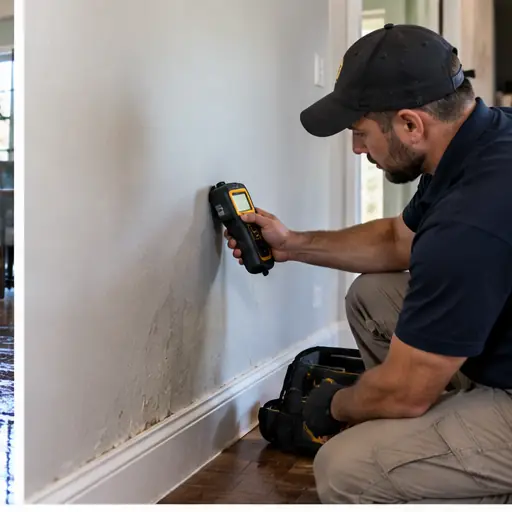
Water can migrate beneath flooring, behind baseboards, around cabinets and into wall cavities. Moisture assessment helps define which materials are actually affected so the drying and removal plan is based on evidence rather than guesswork.
Step 3: Extract Accessible Water
When standing or recoverable water is present, extraction can remove a large amount before drying begins. Extraction and structural drying are related but different: extraction removes liquid water; drying addresses moisture held within materials and the indoor environment.
Step 4: Limit Additional Damage
Water mitigation can include protecting unaffected areas, moving contents where appropriate, addressing materials that cannot remain in place and preparing the affected space for drying. The goal is to stabilize conditions rather than jump straight to cosmetic repair.
Step 5: Dry Affected Materials
Air movement and dehumidification may be used to support evaporation and remove moisture from the air. The drying plan depends on the materials involved, how wet they are, environmental conditions and whether concealed areas are affected.
Step 6: Monitor Progress
Drying should be evaluated by conditions and moisture readings rather than appearance alone. Monitoring helps determine whether the affected materials are moving toward an appropriate dry condition and whether the plan needs adjustment.
Step 7: Clean, Remove or Restore Materials as Conditions Require
Some materials may be dried and retained; others may require cleaning or removal because of damage or contamination. EPA guidance notes that material type matters—for example, some absorbent materials affected by mold may need replacement.
Step 8: Plan Repairs After the Area Is Stabilized
Restoration may continue into repair or reconstruction after moisture problems are addressed. Depending on the scope, this can include drywall, trim, flooring or other finishes. Local permit requirements may apply to some repairs.
What Determines the Scope of a Restoration Project?
The size of the puddle is only one factor. Scope is shaped by the water source, how long materials were wet, the path the water traveled, the materials involved and whether moisture reached concealed assemblies. A loss affecting tile over concrete may behave differently from the same amount of water reaching carpet pad, engineered wood, drywall, insulation or cabinetry.
A careful scope should therefore answer: what is wet, how wet is it, can it be accessed for drying, is contamination a concern, and can the material reasonably return to a suitable dry condition? Those questions help avoid two opposite mistakes—doing too little and leaving moisture behind, or removing sound materials without evidence.
Extraction, Mitigation, Drying and Restoration Are Not Interchangeable
Water extraction is the removal of accessible liquid water. Water mitigation focuses on limiting additional damage and stabilizing the affected area. Structural drying addresses moisture retained in building materials and the surrounding air. Restoration is the broader process that can include all of those stages plus cleaning, material decisions and repair.
This distinction matters because a room can have no standing water and still need drying. Likewise, a plumber can stop a leaking pipe without addressing moisture that has already spread into walls or flooring.
How Moisture Monitoring Improves Decision-making
Visual inspection is useful, but it cannot reliably show moisture hidden inside every assembly. Restoration professionals may use moisture meters and other assessment methods to compare affected materials, identify patterns and track change during drying. Measurements should be interpreted in context because different materials behave differently.
Monitoring also helps answer a practical question: is the drying plan working? If readings are not moving as expected, equipment placement, access to wet materials or the material-removal plan may need to change. The goal is not to run equipment for an arbitrary number of days; it is to reach an appropriate dry condition based on the materials and circumstances.
When Material Removal May Become Part of Restoration
Removal can be appropriate when a material is physically damaged, contaminated, cannot be effectively cleaned, blocks access to wet assemblies, or cannot reasonably be dried in place. Porous materials require particular attention because water can penetrate beyond the visible surface. EPA water-damage guidance distinguishes among materials and notes that some absorbent materials may need replacement depending on conditions.
That does not mean every wet wall or floor should automatically be removed. A better approach is evidence-led: identify the affected material, understand the water source, evaluate its condition, and decide whether drying, cleaning or removal is appropriate.
What Homeowners Should Expect During the Project
Ask for plain-language explanations of the affected areas, planned equipment, materials being removed, and how progress will be checked. If rooms need to remain inaccessible, ask why and for how long the current phase is expected to last. If insurance is involved, keep photos, notes, invoices and relevant communications together.
Restoration also has a natural stopping point before reconstruction: the water source should be controlled, affected materials should be appropriately dry or removed, and the remaining repair scope should be understood. Cosmetic rebuilding before those conditions are addressed can conceal the original moisture problem.
Authoritative Guidance Used for This Guide
For California insurance questions, verify your own policy and use the California Department of Insurance as an authoritative consumer source. For moisture and mold prevention, EPA guidance emphasizes prompt moisture control and drying. Oxnard property owners can also review the City of Oxnard floodplain and flood-damage resources when flooding is involved.
Our Services
Restoration Services for Oxnard Properties
Explore focused services for water, flood, fire and mold-related property damage.
Fire Damage Restoration
Cleanup and restoration planning for fire, smoke, soot and firefighting-water damage.
Learn More →Mold Removal
Moisture-focused removal and cleanup of mold-affected materials in Oxnard properties.
Learn More →Quick Answers
A typical process can include source assessment, moisture evaluation, water extraction, mitigation, structural drying, monitoring, material decisions and repair planning.
No. Extraction removes accessible liquid water. Restoration is broader and can include drying, cleaning, material removal and repairs.
Drying decisions should be based on the affected materials, environmental conditions and moisture measurements rather than appearance alone.