What Water Mitigation Means
Mitigation is the stabilization stage. Its purpose is to keep a water event from causing avoidable additional damage. That may include controlling the source, extracting standing water, protecting unaffected areas, moving vulnerable contents, addressing materials that cannot remain in place, and beginning drying.
What Water Damage Restoration Means
Restoration describes the larger process of bringing a water-affected property toward a dry, safe, usable condition. Depending on the loss, that can extend beyond mitigation into monitoring, cleaning, material decisions, and repair or reconstruction.
Mitigation Happens Early
Mitigation decisions are usually time-sensitive because moisture can continue moving into porous materials. The sooner the source is controlled and affected areas are understood, the sooner steps can be taken to reduce continued absorption and secondary damage.
Restoration Continues After Stabilization
Once the immediate situation is under control, the property still needs to be dried and evaluated. Some materials may recover with proper drying; others may be physically damaged or unsuitable to retain. Restoration decisions depend on actual conditions rather than a fixed checklist.
How Extraction Fits into Mitigation
When standing water is present, extraction is often a mitigation step because it removes a major source of continuing moisture. It is not the same as complete restoration, and it does not confirm that hidden materials are dry.
How Structural Drying Fits into Restoration
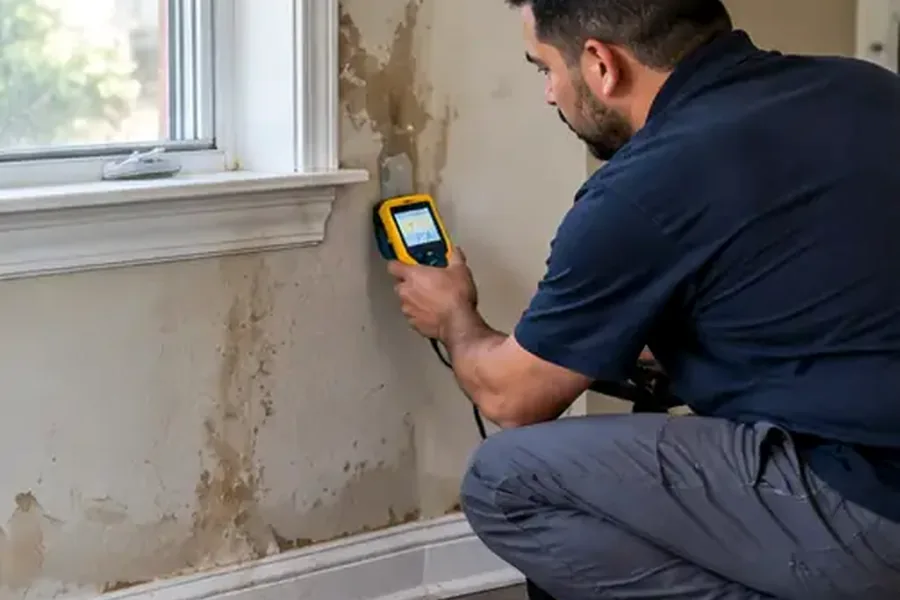
Structural drying addresses moisture retained in materials and indoor air. Air movement, dehumidification, and moisture monitoring can continue after the emergency phase. Drying progress should be based on measurements and material conditions rather than appearance alone.
Does Mitigation Always Require Demolition?
No. Mitigation does not automatically mean removing every wet material. Material type, contamination, physical damage, access, saturation, and drying potential all matter. Unnecessary removal can add disruption, while retaining materials that cannot be adequately cleaned or dried can create other problems.
Insurance Terminology Can Differ
Insurance policies and contractors may use mitigation and restoration terms differently. California Department of Insurance guidance recommends protecting property from further damage after a loss and checking the specific policy for coverage. Coverage depends on the cause, policy language, exclusions, and circumstances.
Mitigation and Restoration in Oxnard
For an Oxnard property, the practical sequence may include source control, extraction, mitigation, structural drying, monitoring, and then repair decisions. Floodwater, plumbing leaks, appliance failures, and roof-related water entry can require different safety and material decisions.
Related Oxnard Water Damage Resources
Continue with water mitigation in Oxnard, water extraction and structural drying.
Sources and Guidance Behind This Article
This guide is informed by U.S. EPA moisture and mold guidance, California Department of Insurance residential property claims guidance, and City of Oxnard floodplain and recovery resources. Property conditions and insurance coverage vary, so use the guidance that applies to the specific loss.
Need Water Damage Help in Oxnard?
Oxnard AquaFix provides 24/7 emergency water damage restoration for Oxnard properties, including ZIP codes 93030, 93031, 93032, 93033, 93034, 93035, and 93036.
Contact Us