

Quick Answer
After floodwater enters a home, put safety before cleanup. Avoid electrical and structural hazards, document conditions when safe, stop additional water entry if practical, and treat floodwater differently from a clean plumbing release.
Safety Comes Before Water Removal
Flooding can create electrical, structural and contamination hazards. Do not enter standing water when electrical equipment may be energized, and do not remain in an area that appears structurally unstable. Follow emergency instructions and local access restrictions.
Document Conditions When Safe
Take wide photographs of affected rooms and closer photographs of water lines, debris, damaged finishes and belongings. Record when flooding was discovered and where water appeared to enter. Documentation should never delay evacuation or urgent safety measures.
Why Floodwater Is Different
Water entering from outdoors can carry soil, debris and contaminants. Cleanup decisions therefore differ from a small clean-water plumbing release. Materials that can sometimes be dried after clean water exposure may require a different approach after contaminated floodwater.
Remove Water Only When Safe
Once hazards are controlled, standing water can be extracted so affected materials can be evaluated. Removing liquid water is only the first stage; floors, wall bases, drywall, insulation and framing may remain wet after visible water is gone.
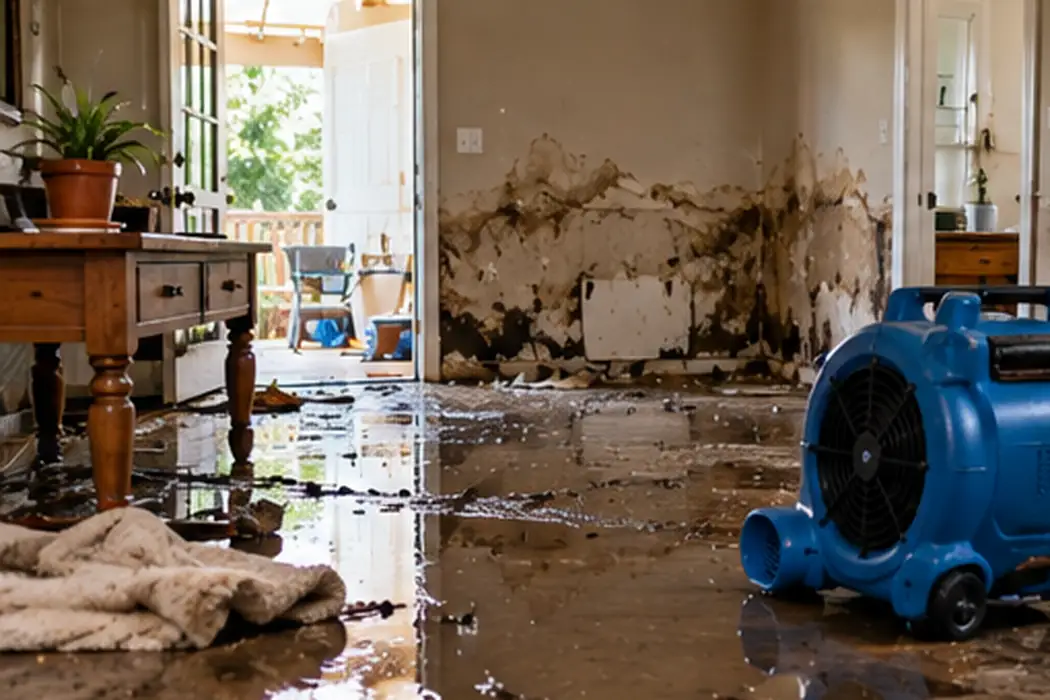
Open Only What the Damage Requires
Material removal should follow contamination, condition and access needs rather than a predetermined demolition rule. Oxnard guidance recognizes removal of flood-damaged materials to begin drying and identifies repairs that may later require permits.
Begin Structural Drying
After liquid water and unsalvageable materials are addressed, airflow and dehumidification can help remove retained moisture. EPA emphasizes prompt drying because prolonged dampness increases mold-growth risk.
Keep Cleanup and Insurance Terminology Separate
California DOI states homeowners policies do not cover flood damage, while some other kinds of water damage may be covered. Ask about any separate flood policy and describe the event accurately rather than calling external flooding a plumbing loss.
Oxnard Flood and Permit Resources
The City of Oxnard maintains floodplain, recovery and restoration information. Its flood-repair guidance distinguishes minor work from larger drywall, structural, electrical and mechanical repairs that may require permits and inspections.
What Can Sometimes Be Saved
Salvageability depends on material, contamination, duration and condition. Hard nonporous belongings may be handled differently from saturated absorbent materials. Consider what contacted the material and whether it can be safely cleaned and dried.
The Restoration Sequence
A practical sequence is safety, documentation, water removal, material assessment, mitigation of additional damage, structural drying, moisture verification and then repair. The exact order can overlap depending on the property and source.
Before Removing Belongings
Prioritize items that can be moved without spreading contamination or creating injury. Photograph damaged contents in place when safe, then separate clearly affected items from dry belongings. Porous possessions exposed to floodwater can require more conservative decisions than hard, washable items. Valuable or irreplaceable materials may need specialist advice rather than ordinary disposal or cleaning.
How to Think About Floors and Wall Bases
Floodwater commonly affects the lowest portions of a building first. Water can move beneath flooring, behind baseboards and into the lower edge of drywall. Even after the water level drops, those assemblies may remain damp. Inspection should therefore follow the former water line and migration path rather than focusing only on remaining puddles.
Drying Is Not the Same as Reconstruction
Removing damaged material and drying the structure are stabilization steps. Reinstalling drywall, insulation, flooring or electrical components is reconstruction. Oxnard's guidance specifically distinguishes emergency removal/drying from work that may require a permit or inspection before reinstallation. Keeping these phases separate helps avoid closing a wall or floor before the assembly is ready.
Create a Post-flood Record
Keep photographs, disposal notes, contractor invoices, moisture records and permit information together. If insurance is involved, also keep correspondence and the name of the carrier handling the loss. A clear record can explain why materials were removed and what was done to protect the property without turning restoration documentation into a coverage promise.
What to Expect During the First Day of Cleanup
The first day can involve several activities at once: confirming safe access, documenting the loss, extracting standing water, separating damaged contents and identifying which building materials were affected. Drying equipment may be introduced after the bulk water is removed and unsafe or unsalvageable material is addressed. The exact sequence depends on contamination and building conditions. Property owners should expect the affected area to change as hidden wet materials are discovered; that does not automatically mean every wall or floor needs removal.
How to Know When the Structure Is Ready for Repair
Reconstruction should follow moisture verification rather than a calendar date. Drying time changes with material type, saturation, airflow, dehumidification, temperature and access. Before new drywall, trim or flooring closes an assembly, the underlying materials should be appropriately dry for the repair system being used. Where Oxnard permits or inspections apply, coordinate that process before reinstallation. This separation between cleanup, drying and repair helps prevent trapping moisture behind newly finished surfaces.
Frequently Asked Questions
Can a Surface Look Dry While Moisture Remains Underneath?
Yes. Moisture can remain behind finishes or beneath flooring after the exposed surface changes appearance.
Does Every Water Loss Require Demolition?
No. Removal decisions should reflect contamination, material condition, access and whether the assembly can be dried effectively.
Why Does Prompt Drying Matter?
EPA recommends drying wet or damp materials within about 24–48 hours when possible because moisture control reduces mold-growth risk.
Our Services
Restoration Services for Oxnard Properties
Explore focused services for water, flood, fire and mold-related property damage.
Fire Damage Restoration
Cleanup and restoration planning for fire, smoke, soot and firefighting-water damage.
Learn More →Mold Removal
Moisture-focused removal and cleanup of mold-affected materials in Oxnard properties.
Learn More →Sources and Local References
U.S. EPA moisture guidance · City of Oxnard floodplain resources · California Department of Insurance claims guidance.