

Quick Answer
Professional restoration becomes more useful when water spreads beyond a small surface area, reaches walls or flooring assemblies, involves standing or contaminated water, creates hidden-moisture concerns, or cannot be dried promptly with household methods.
Not Every Spill Requires a Restoration Project
A small clean-water spill caught immediately on a nonporous surface may be manageable with ordinary cleanup. The question changes when water migrates into absorbent materials, reaches concealed assemblies or remains long enough that surface drying cannot address it.
There Is Standing Water
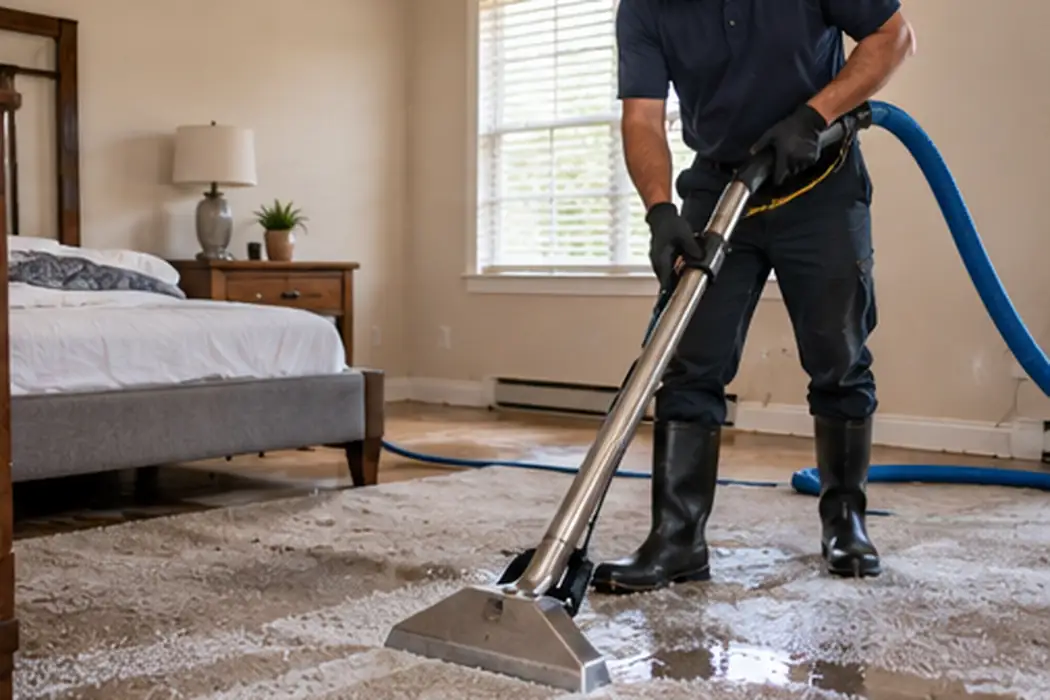
Pooled water can spread into seams, wall bases and adjacent rooms. Extraction equipment can remove recoverable water more efficiently than relying on evaporation alone, reducing the moisture that later has to leave building materials.
Water Reached Drywall or Wall Cavities
Drywall can absorb water above the visible line, and moisture may remain on the back side or in insulation. EPA recognizes hidden moisture as a concern. Assessment can help determine whether drying in place is feasible.
Water Is Beneath Flooring
Finished flooring can hide wet pad, underlayment, adhesive or subflooring. If flooring is swelling, lifting or remaining damp, the assembly needs more than surface wiping. Material type and contamination influence access or removal.
The Source May Be Contaminated
External floodwater, sewage-related water or other potentially contaminated sources require more cautious cleanup than a clean supply-line release. Safety, protective equipment and material disposal decisions can exceed ordinary household cleanup.
Multiple Rooms Are Affected
When water travels through doorways, under walls or between levels, it becomes harder to define the moisture footprint without systematic assessment. Professional monitoring can track affected and unaffected materials.
The Area Is Not Drying Promptly
EPA recommends drying wet materials within roughly 24–48 hours when possible to reduce mold-growth risk. If household ventilation is not reducing dampness, professional air movement, dehumidification and moisture monitoring may be appropriate.
You Cannot Tell Where the Water Went
Hidden moisture is a strong reason for assessment. Moisture meters, humidity readings and knowledge of building assemblies can help trace migration without automatically opening every wall.
Repairs May Involve Permits
In Oxnard, certain larger drywall, structural, electrical or mechanical repairs can require permits, particularly in flood-damage contexts. A plan should distinguish emergency drying from later reconstruction.
What a Restoration Company Should Do
The work should follow the loss: identify affected areas, remove recoverable water, limit additional damage, create drying conditions, monitor moisture and document progress. More demolition or equipment does not automatically mean better restoration.
How to Decide
Consider source, contamination, affected area, materials, hidden moisture, drying time and safety. If several factors are uncertain or beyond household capabilities, professional restoration is more reasonable than waiting for visible damage to worsen.
A Useful Small-loss Versus Complex-loss Test
Ask whether the water is clean, limited, fully visible, quickly removable and confined to materials that can be dried easily. If the answer to several of those questions is no, the loss is becoming more complex. Hidden cavities, multiple rooms, porous materials and uncertain contamination all increase the value of systematic assessment.
What Moisture Monitoring Adds
Professional drying is not only about placing equipment. Measurements help establish where materials are wet and whether conditions are improving. Reference readings from unaffected materials can provide context. Monitoring can also reveal when an apparently dry surface still has elevated moisture behind or beneath it.
Why Unnecessary Demolition Should Be Avoided
Professional restoration should not mean automatically removing every wet finish. Some materials may be dried in place when contamination, integrity and access allow it. Others may need removal because they are damaged, contaminated or prevent drying of the assembly. The decision should be tied to observable conditions.
Questions to Ask a Restoration Provider
Ask how the affected area will be determined, what each piece of equipment is intended to accomplish, how drying progress will be monitored, what conditions would justify material removal and how the work will be documented. Clear answers are more useful than unsupported promises about exact drying time, insurance approval or guaranteed outcomes.
What a Professional Moisture Assessment Should Clarify
A useful assessment should identify the known source, visible damage, likely migration paths, affected material types and areas that need further verification. It should distinguish standing water from moisture retained in materials. If selective access is recommended, there should be a reason tied to contamination, damage, trapped moisture or the need to dry an assembly. The homeowner should be able to understand what is known, what is uncertain and what measurements will be used to track progress rather than receiving only a list of equipment.
When Waiting Can Make the Scope Harder to Control
Delay allows water more time to migrate through porous materials and enclosed spaces. EPA's prompt-drying guidance is one reason early action matters. Waiting for severe staining or odor before investigating can make it harder to determine the original moisture footprint. Early extraction and assessment do not mean rushing into demolition; they mean controlling the source, reducing liquid water and gathering enough information to choose proportionate drying or material-removal steps. That approach supports both property protection and clearer documentation.
Frequently Asked Questions
Can a Surface Look Dry While Moisture Remains Underneath?
Yes. Moisture can remain behind finishes or beneath flooring after the exposed surface changes appearance.
Does Every Water Loss Require Demolition?
No. Removal decisions should reflect contamination, material condition, access and whether the assembly can be dried effectively.
Why Does Prompt Drying Matter?
EPA recommends drying wet or damp materials within about 24–48 hours when possible because moisture control reduces mold-growth risk.
Our Services
Restoration Services for Oxnard Properties
Explore focused services for water, flood, fire and mold-related property damage.
Fire Damage Restoration
Cleanup and restoration planning for fire, smoke, soot and firefighting-water damage.
Learn More →Mold Removal
Moisture-focused removal and cleanup of mold-affected materials in Oxnard properties.
Learn More →Sources and Local References
U.S. EPA moisture guidance · City of Oxnard floodplain resources · California Department of Insurance claims guidance.