
Quick Answer
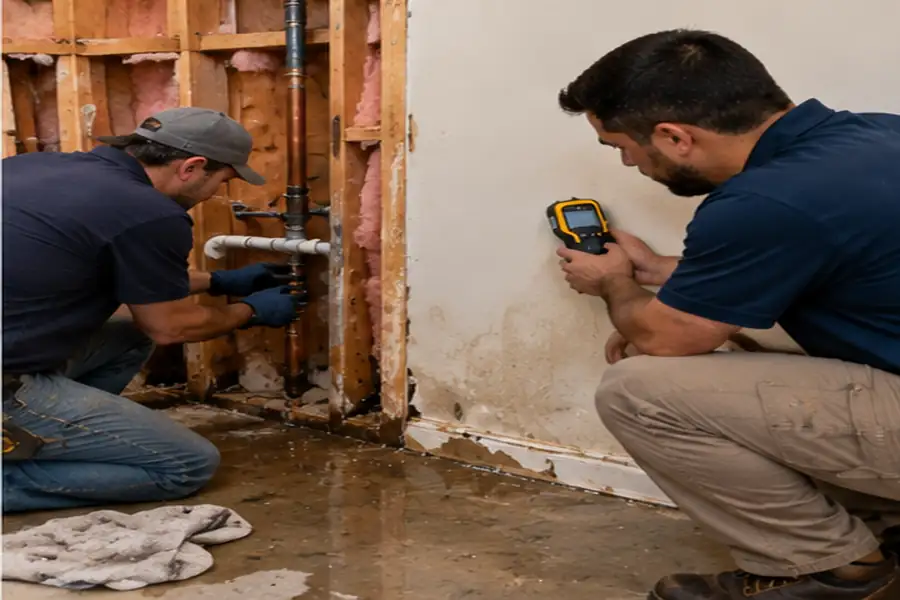
A burst pipe does not create an automatic coverage answer. The insurer will look at the facts and policy terms. Document the failed plumbing source, resulting property damage, emergency steps, plumbing repair and restoration work separately.
A Burst Pipe Creates Two Separate Problems
The first problem is the failed plumbing component. The second is water that escaped into the building. A plumber typically addresses the pipe or valve; restoration addresses water in flooring, drywall, insulation, cabinets or other materials. Keeping these scopes distinct also helps make the insurance record clearer.
Does a Homeowners Policy Automatically Cover It?
No single answer applies to every burst-pipe event. California DOI says homeowners policies cover some kinds of water damage and tells consumers to check with their insurance company representative about the individual loss. Policy wording, exclusions, the cause and the history of the leak all matter.
Sudden Failure Versus Ongoing Leakage
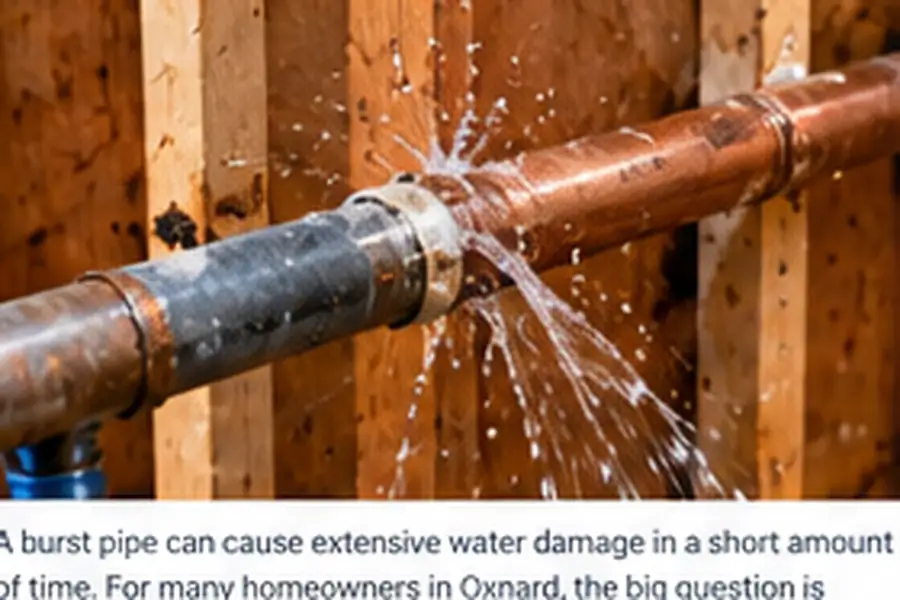
A suddenly failed line presents different facts from staining or deterioration associated with repeated or long-term leakage. Do not guess how long a leak existed. Photograph what is visible, keep the plumber's findings and tell the insurer when the problem was actually discovered.
What to Do First
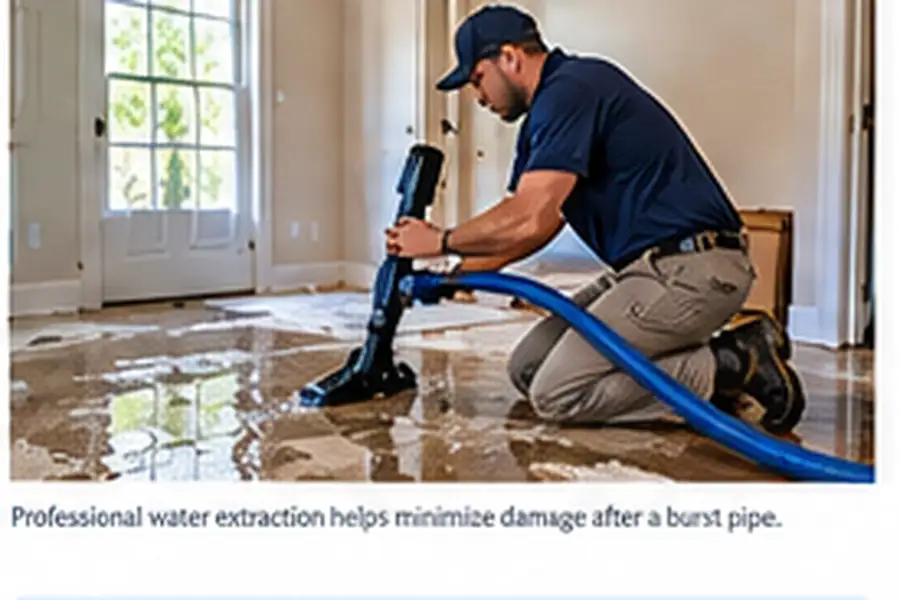
If safe, shut off the appropriate water supply and avoid electrical hazards. Move vulnerable belongings away from spreading water when practical. Photograph the affected area, then begin reasonable steps to prevent additional damage. If a large amount of water is present, extraction can reduce the liquid load before drying.
Why Fixing the Pipe Is Not the End of the Water Loss
Stopping the source prevents new water from entering, but water already inside the building can remain under flooring, behind baseboards and within wall cavities. A room can appear dry while porous materials remain damp. Hidden-moisture assessment helps define the true affected area.
Extraction and Structural Drying Serve Different Purposes
Extraction removes recoverable liquid water. Structural drying addresses moisture absorbed into building materials through controlled airflow, dehumidification and monitoring. This distinction matters because a plumber can finish the source repair while restoration work is still needed.
What to Photograph for the Claim
Photograph the failed component if accessible, the surrounding area, each affected room, standing water, damaged finishes and belongings. After source repair, keep the plumbing invoice. During restoration, retain photographs and records that describe extraction, affected materials and drying progress.
Keep Plumbing and Restoration Invoices Separate
Separate records make it easier to understand which cost relates to repairing the cause and which relates to resulting property damage. They also reduce ambiguity if the insurer asks what work was performed before its inspection.
Questions to Ask the Carrier
Ask which policy provision is being evaluated, whether the carrier needs the failed plumbing component preserved, whether an inspection is required before permanent repairs, what mitigation documentation is needed and how the deductible applies.
Avoid Assumptions About What Part Is Covered
Even if resulting water damage is covered under a policy, that does not automatically mean every plumbing repair or condition is covered. Likewise, a restoration company should not promise payment. Ask the insurer to explain its decision under the actual policy.
Oxnard Restoration Pathway After a Burst Pipe
For an Oxnard property, the practical sequence may include plumber source control, water extraction, mitigation of spread, hidden-moisture assessment and structural drying. Our burst-pipe response guide explains immediate actions, while the plumber-versus-restoration guide clarifies who handles which part.
Example Sequence After a Supply-line Break
A homeowner discovers water near a bathroom, shuts off the supply, photographs the area and calls a plumber. The plumber replaces the failed component, but moisture readings show water beneath nearby flooring and at the base of a wall. Extraction addresses recoverable water, then drying equipment targets retained moisture. Each stage should have its own factual record so the insurer can see the source repair and the resulting restoration work.
Why the Failed Pipe Component May Matter
An insurer or plumber may want to inspect the failed part to understand the cause. If practical and safe, ask before discarding it. A restoration company should not diagnose plumbing failure beyond its expertise; record what was observed and rely on the appropriate trade for source-repair findings.
What If Water Reached More Than One Room?
Follow the water path rather than assuming damage stops at a doorway. Water can migrate through flooring assemblies and wall bases. Photograph each affected area and use moisture assessment to define the footprint. This helps avoid both under-documenting the loss and removing unaffected materials without evidence.
What If the Pipe Is Repaired Before the Adjuster Arrives?
Emergency source control should not be delayed when delay would allow more damage. Photograph the failed area when safe, retain the repair invoice and ask whether the replaced component should be preserved. Then document the resulting water damage and mitigation separately.
Why Fast Action and Careful Documentation Can Coexist
You do not need to choose between drying the property and documenting it. A short set of photographs, a written timeline and saved invoices can be created while reasonable extraction and drying proceed. Safety and prevention of additional damage remain the priority.
Frequently Asked Questions
Should I Wait for the Adjuster Before Removing Standing Water?
Do not delay urgent safety measures or reasonable steps needed to prevent additional damage. Document conditions when safe, save records and ask the insurer how emergency mitigation should be reported.
Can a Restoration Company Tell Me Whether My Claim Is Covered?
A restoration company can document physical damage, moisture and work performed. The insurer applies the policy and determines coverage.
Why Are Moisture Readings Useful?
They can help define the affected area and track drying in materials that may look dry at the surface while retaining moisture internally.
Related Guides and Services
Continue with burst-pipe response guide · plumber vs. restoration guide · Water Extraction · hidden moisture guide · California insurance guide.
Authoritative Sources
California Department of Insurance Residential Property Claims Guide · U.S. EPA moisture guidance · City of Oxnard flood and recovery resources.