

Quick Answer
Before heavy rain, reduce avoidable water-entry risks: clear roof drainage, keep accessible drains unobstructed, move vulnerable items away from low areas, review local flood information, and know appropriate utility safety procedures.
Why Preparation Matters in Oxnard
Oxnard maintains a floodplain program because areas of the community face flood risk. Local drainage and intense rain can create conditions where streets, yards and properties accumulate water. Preparation cannot eliminate flood risk, but it can reduce preventable problems.
Check Gutters and Roof Drainage
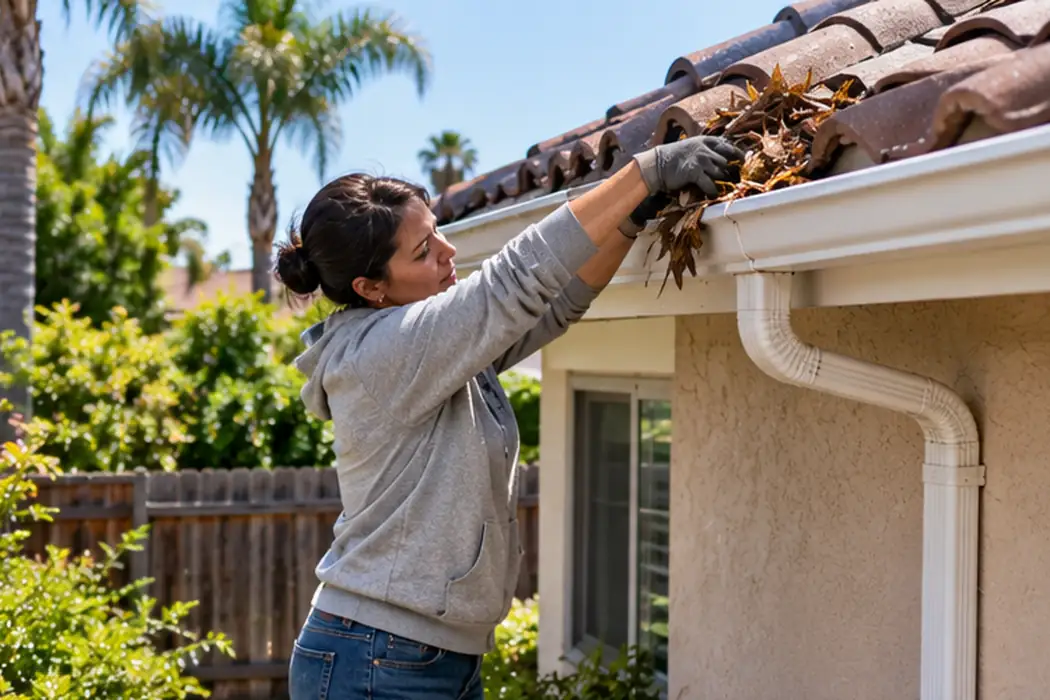
EPA moisture-control guidance recommends cleaning and repairing roof gutters. Clear leaves and debris, confirm downspouts discharge as intended and look for obvious damage before rain arrives. Do not climb onto a wet or unsafe roof.
Keep Exterior Drainage Paths Clear
Remove leaves and debris from accessible drains and drainage paths without altering public infrastructure. Water should not be intentionally redirected toward neighboring properties or foundations. Report blocked public systems through the appropriate local channel.
Look at Doors, Garages and Low Entry Points
Identify locations where runoff has approached the building before. Move water-sensitive belongings, cardboard storage and electrical items away from vulnerable floor areas. Temporary protection should not create a false sense of security against major flooding.
Know Your Flood Information
Review City of Oxnard floodplain resources and available flood maps before an event. California DOI states standard homeowners policies do not cover flood damage; separate flood insurance may be available.
Prepare a Simple Property Record
Photograph important rooms and valuable belongings before storm season, keep insurance information accessible and maintain a basic home inventory. These records can make it easier to describe pre-loss condition.
Know Utility and Safety Procedures
Household members should know appropriate water shutoffs and whom to contact for electrical or gas concerns. Do not enter floodwater to reach a shutoff. Emergency instructions take priority over property protection.
Reduce Indoor Moisture Risks Too
Heavy rain is not the only water risk. Inspect appliance hoses, plumbing connections and areas with previous leakage. A storm occurring alongside an indoor leak can complicate source identification and cleanup.
After Rain Begins
Monitor official local information and avoid flooded roads or unsafe areas. If water enters the building, shift from preparation to safety, documentation and damage control. Consider moisture that may have entered floors and walls.
After Water Entry
Once conditions are safe, extraction addresses recoverable water and structural drying addresses retained moisture. Floodwater may require different contamination and material decisions from a clean plumbing release.
Walk the Property Before Storm Season
Look for recurring ponding areas, blocked drainage paths, damaged downspouts, loose exterior materials and signs of prior water entry. Check the garage, patio doors and other low transitions from outside to inside. The goal is not to predict exactly where flooding will occur, but to identify obvious maintenance issues and belongings that can be moved before weather arrives.
Prepare the Inside of the Home Too
Move important documents and irreplaceable items away from floor-level storage in areas with previous water problems. Know where towels, buckets, flashlights and basic protective supplies are stored. Keep phone chargers and emergency contacts accessible. These simple steps will not stop a flood, but they can reduce confusion during a fast-moving leak or storm event.
Do Not Confuse Flood Preparation with a Guarantee
Clean gutters, clear drains and temporary barriers can reduce some water-entry risks, but severe rainfall or external flooding can exceed property-level measures. Avoid claims that a particular product or preparation makes a home flood-proof. Follow City alerts and emergency instructions when conditions become unsafe.
Plan What Happens After Water Enters
Decide in advance whom to contact for a plumbing source, roof problem, electrical hazard and water restoration. If water reaches the building, document conditions when safe and move quickly from prevention to mitigation. Knowing the roles in advance can shorten the time between discovering damage and beginning appropriate extraction or drying.
Create a Heavy-rain Checklist for the Household
A useful checklist can include clearing accessible gutters and drains, moving vulnerable storage, charging phones, locating insurance information, checking flashlights, knowing safe utility procedures and reviewing City alerts. Assigning simple responsibilities before a storm can prevent everyone from trying to solve the same problem at once. Include pets, vehicles and mobility needs in the plan. Store the checklist where household members can find it without internet access. Preparation should focus on practical actions the household can perform safely rather than last-minute roof work or entering moving water.
Inspect After the Storm Even When No Major Flooding Is Visible
After conditions improve, look for new ceiling stains, damp baseboards, water at garage edges, flooring changes and moisture around windows or exterior doors. Small entry points can be overlooked when attention is focused on street flooding. If water entered, photograph the condition and identify the likely source before finishes are cleaned or covered. Prompt attention is valuable because water can migrate into absorbent materials even when there is no longer a puddle. A quick post-storm inspection can therefore catch a manageable moisture problem before it becomes concealed.
Frequently Asked Questions
Can a Surface Look Dry While Moisture Remains Underneath?
Yes. Moisture can remain behind finishes or beneath flooring after the exposed surface changes appearance.
Does Every Water Loss Require Demolition?
No. Removal decisions should reflect contamination, material condition, access and whether the assembly can be dried effectively.
Why Does Prompt Drying Matter?
EPA recommends drying wet or damp materials within about 24–48 hours when possible because moisture control reduces mold-growth risk.
Related Guides and Services
Flood Cleanup · post-flood guide · Water Mitigation · flood insurance guide.
Sources and Local References
U.S. EPA moisture guidance · City of Oxnard floodplain resources · California Department of Insurance claims guidance.