
Quick Answer
The most important mold-prevention step after water damage is moisture control. Stop the source when safe, remove recoverable water, dry wet materials promptly, and check concealed areas that may stay damp after surfaces look dry.
Why Moisture Control Comes First
Mold spores are naturally present indoors and outdoors, but growth depends on moisture. EPA describes moisture control as the key to mold control and recommends drying wet or damp areas within about 24–48 hours after a leak or spill when possible. That window is a prompt-action target, not a guarantee that mold appears at one exact hour.
Stop New Water from Entering
Drying cannot keep up with an active leak. Shut off a plumbing source when safe, arrange repair of a failed pipe or appliance connection, and protect an opening from additional rain when appropriate. Electrical and structural hazards take priority over property cleanup.
Remove Standing or Recoverable Water
Pooled water keeps floors, baseboards and wall assemblies wet. Extraction reduces the liquid-water load so evaporation and dehumidification can address moisture retained in materials. Water that migrated beneath flooring or into cavities may remain after surface water is gone.
Identify the Full Moisture Footprint
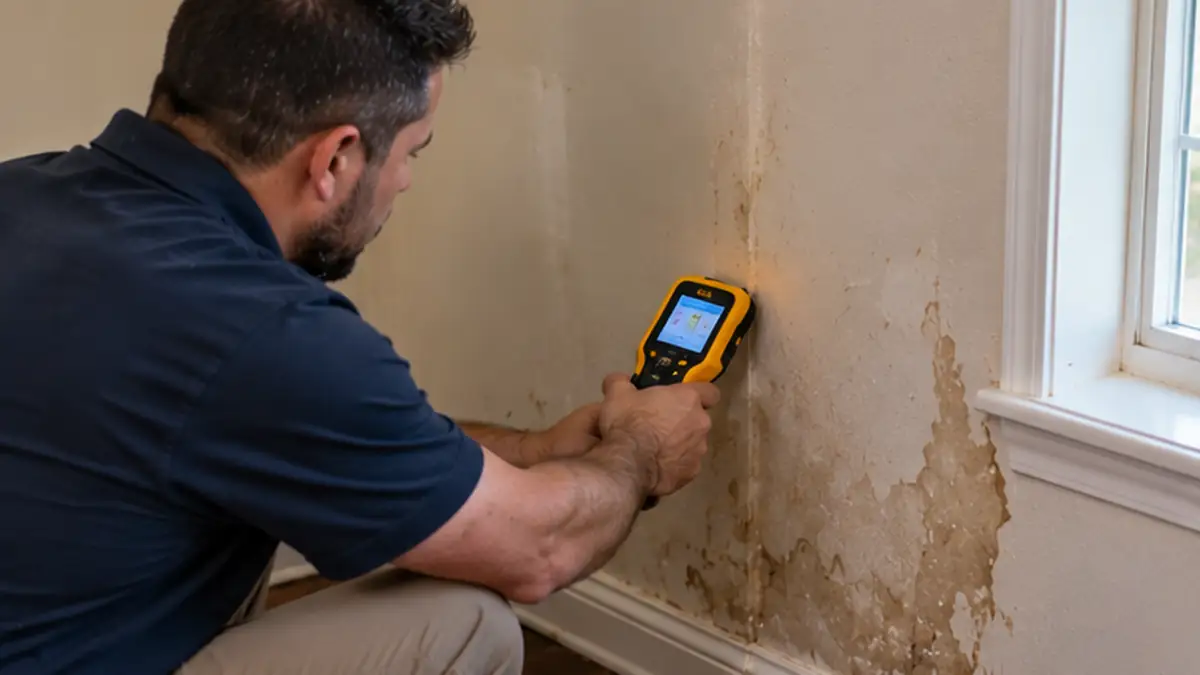
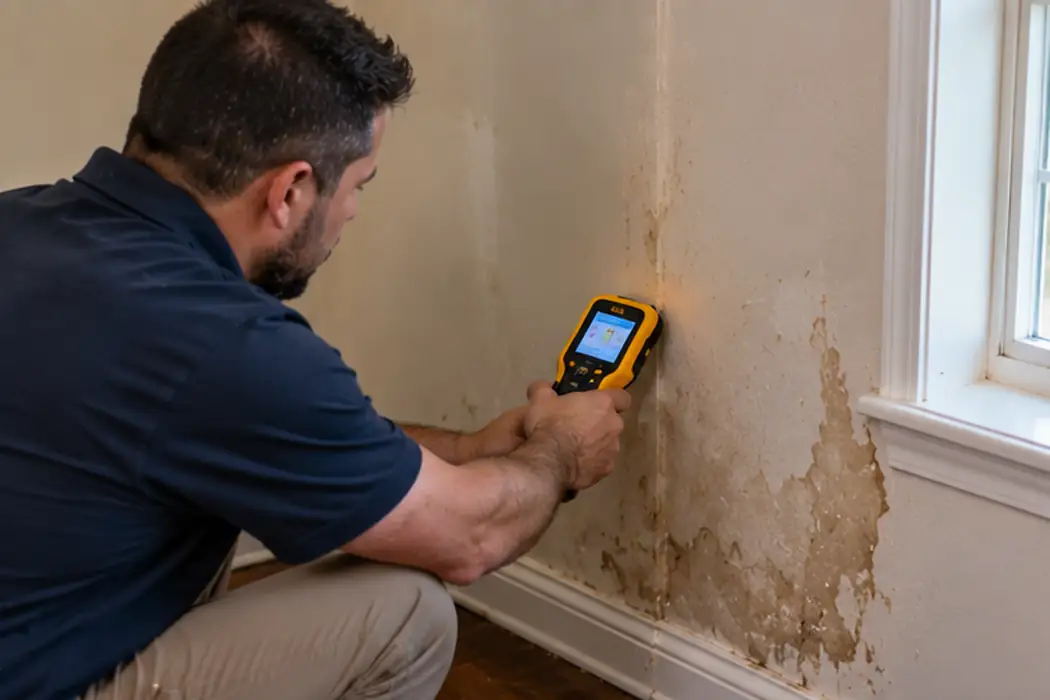
The visible puddle is not always the boundary of the loss. Water can travel behind baseboards, beneath flooring, into drywall backing and around plumbing openings. Moisture readings and comparison with unaffected materials can help determine where drying is still needed.
Create Effective Drying Conditions
Air movement supports evaporation while dehumidification removes moisture from the air. Equipment placement should reflect the actual wet materials and room conditions. Drying progress should be monitored rather than judged only by touch.
Evaluate Materials Individually
Drywall, carpet, pad, insulation, wood and resilient flooring do not respond identically. EPA guidance notes that some absorbent materials may need replacement if moldy, while other materials may be dried depending on condition and circumstances. Contaminated water changes the decision.
Watch Hidden Locations
Check areas behind trim, around cabinets, beneath carpet and pad, under flooring and on the back side of drywall where access is appropriate. A musty odor after a water event can justify investigation, but odor alone does not establish the size or location of a problem.
Oxnard Repair Considerations
Oxnard flood-damage guidance allows some damaged materials to be removed so drying can begin before permits are obtained, while certain larger drywall, structural, electrical or mechanical repairs can require permits before reinstallation.
What Not to Do
Do not paint over damp materials, reinstall finishes before the assembly is dry, or assume a room is dry because standing water disappeared. Avoid unnecessary demolition too; decisions should follow contamination, material condition and drying feasibility.
When Professional Restoration Becomes Useful
Professional help is more useful when water spreads through multiple rooms, reaches concealed assemblies, involves potentially contaminated water or cannot be dried promptly. Water restoration focuses on the moisture problem; this guide does not present mold remediation as a separate AquaFix service.
How to Tell Whether Drying Is Actually Progressing
A drying plan should show change over time. Moisture readings from affected materials can be compared with unaffected reference areas, while indoor humidity helps explain whether evaporated moisture is being removed from the air. A single reading is less useful than a consistent pattern. If drywall, wood or subfloor readings stay elevated, the drying setup or access to the material may need to change.
Drywall, Insulation and Flooring Need Different Decisions
Painted drywall can hide damp gypsum or paper backing. Insulation can hold moisture inside a cavity. Flooring may trap water above or below an underlayment. These differences are why the same drying method should not be applied blindly to every material. Condition, water source, time wet and the ability to verify drying all influence whether a material can remain.
What a Homeowner Can Monitor After Equipment Is Removed
Continue watching for recurring staining, swelling, unusual floor movement, condensation or persistent musty odor. These signs do not automatically prove mold, but they can indicate that the moisture source was not fully corrected or an area remained damp. If symptoms return after drying, investigate the moisture pathway rather than simply covering the finish.
Why Source Repair and Restoration Are Separate
A plumber, roofer or appliance technician may correct the cause, while restoration addresses moisture already inside the building. Completing the source repair does not instantly dry drywall, subflooring or insulation. Keeping those scopes separate makes it easier to verify that both the cause and the resulting moisture were addressed.
A Room-by-room Moisture Check Is More Useful Than a Visual Glance
After a water loss, review the property by affected assembly rather than only by room name. Check the source area, adjoining walls, flooring transitions, closets and the level below when relevant. Note which materials were directly wet and which could have received migrated moisture. This creates a practical map for extraction and drying. It also reduces two opposite mistakes: stopping cleanup too early because surfaces look dry, or removing large amounts of unaffected material without evidence. When readings are used, interpret them with the material type and unaffected comparison areas.
Prevention Continues After the First Drying Cycle
Mold prevention does not end when equipment is removed. The original leak must stay repaired, indoor humidity should remain controlled, and repaired assemblies should not be closed while still damp. Recheck areas that had the highest moisture or poorest airflow. If staining, swelling, condensation or odor returns, investigate the moisture source promptly. The objective is not to make a mold guarantee; it is to remove the conditions that allow persistent dampness and to verify that the water-damage response addressed more than the visible surface.
Frequently Asked Questions
Can a Surface Look Dry While Moisture Remains Underneath?
Yes. Moisture can remain behind finishes or beneath flooring after the exposed surface changes appearance.
Does Every Water Loss Require Demolition?
No. Removal decisions should reflect contamination, material condition, access and whether the assembly can be dried effectively.
Why Does Prompt Drying Matter?
EPA recommends drying wet or damp materials within about 24–48 hours when possible because moisture control reduces mold-growth risk.
Related Guides and Services
Water Mitigation · Structural Drying · hidden moisture guide · mold timing guide.
Sources and Local References
U.S. EPA moisture guidance · City of Oxnard floodplain resources · California Department of Insurance claims guidance.