
Quick Answer
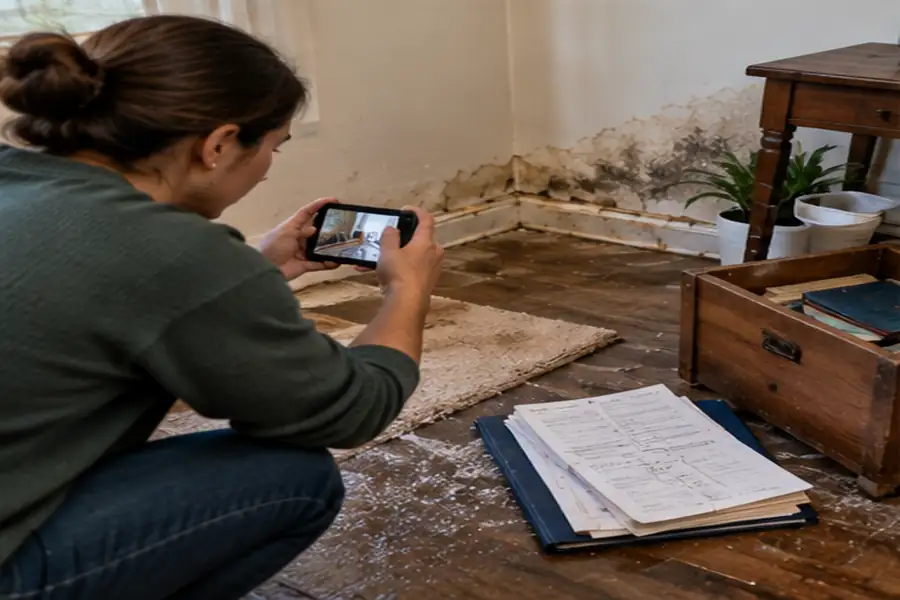
Build a record of what happened without delaying necessary safety or drying work. Photograph affected areas when safe, record the timeline and source, inventory damaged property, keep receipts and estimates, and maintain a log of insurer communications.
Why Documentation Matters
A claim file is easier to understand when it shows the source, timeline, affected property and steps taken to prevent additional damage. Documentation does not need to be elaborate; it needs to be accurate, organized and created without putting anyone at risk or unnecessarily delaying cleanup.
1. Photograph the Source When It Is Safe
If the source is visible, photograph it before repair when practical. Examples include a failed supply line, appliance connection, ceiling opening or exterior point of entry. If a plumber or other trade identifies the source, retain that person's written invoice or description rather than relying only on memory.
2. Photograph Each Affected Room
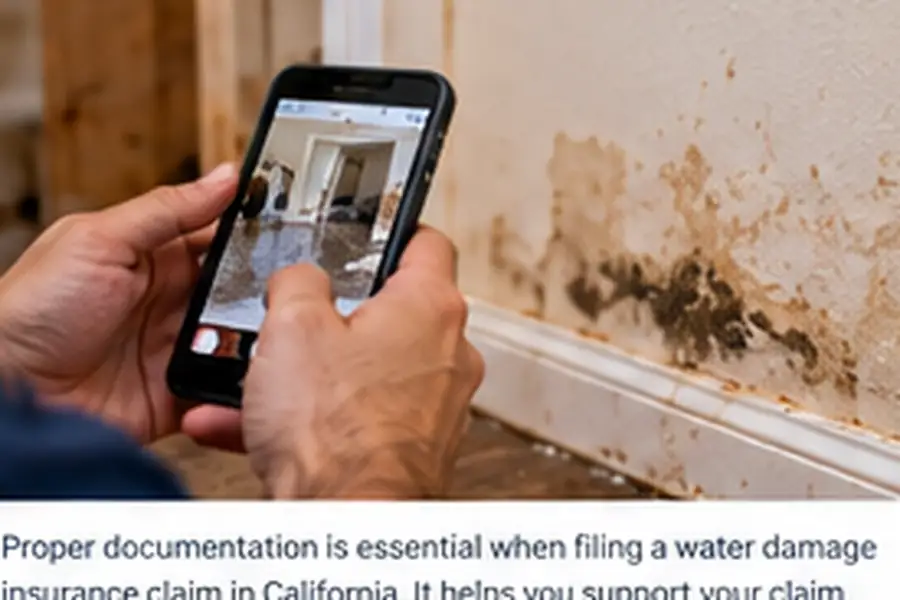
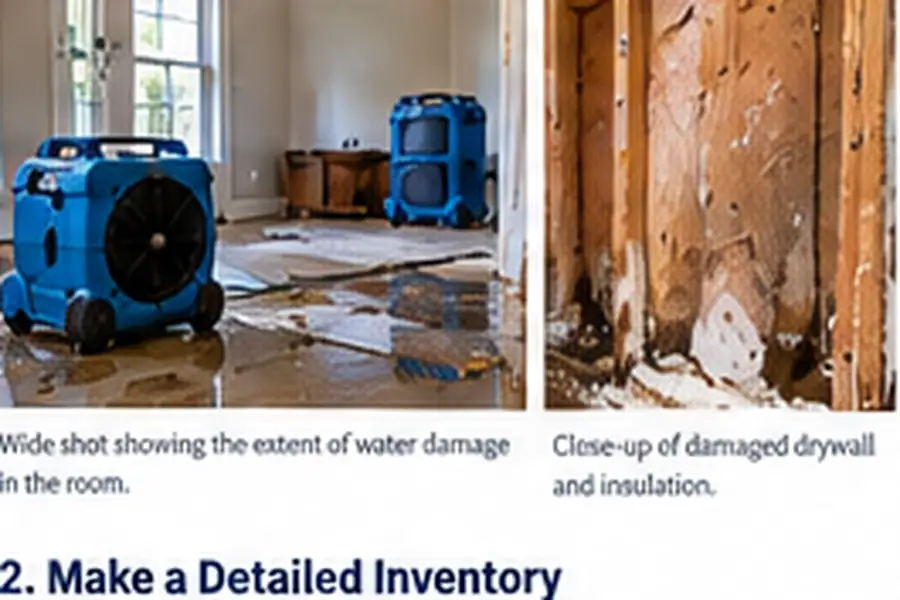
Take wide photographs showing the room and closer photographs of wet flooring, baseboards, drywall, ceilings, cabinets and contents. Photograph water lines, staining, swelling or visible debris. If materials must be removed, photographs before and during removal can help explain why the work occurred.
3. Write a Simple Timeline
Record when the water was discovered, when the source was stopped, when the insurer was notified and when extraction or drying began. If the exact start time is unknown, say that. Avoid turning an estimate into a claimed fact.
4. Create a Damaged-property Inventory
California DOI recommends making a list of damaged or destroyed personal property and gathering old receipts, bills and photographs when available. Organize the list by room. Include a short description, approximate age and any supporting record you actually have.
5. Save Receipts for Temporary Protection
DOI advises property owners to protect the property from further damage and save receipts for reasonable temporary measures. Keep receipts for materials or services used to secure openings, remove water or prevent additional damage. Ask the carrier how those expenses should be submitted.
6. Keep Estimates, Invoices and Work Descriptions
Separate source-repair documents from restoration documents. For example, a plumbing invoice can describe the failed pipe, while restoration records can describe extraction, moisture readings and drying work. This separation makes the sequence easier to follow.
7. Maintain a Communication Log
California DOI recommends keeping a log of phone calls and correspondence. Record the date, name of the person, contact method and key instructions. Save emails, letters and documents you send or receive. Do not rely solely on memory for important claim directions.
8. Record Moisture and Drying Progress
For water restoration, photographs and moisture readings can show that the visible water was only part of the problem. Hidden moisture can remain behind drywall or under flooring. Drying documentation should describe observable conditions rather than make insurance conclusions.
9. Do Not Delay Reasonable Mitigation
EPA recommends prompt drying of water-damaged materials, generally within 24–48 hours, to reduce mold-growth risk. California DOI likewise advises protecting property from further damage. Coordinate necessary mitigation with the insurer's documentation requirements, but do not leave an unsafe or actively worsening condition untouched merely for photographs.
10. Ask Before Extensive Permanent Repairs
California DOI advises against making extensive permanent repairs before the adjuster has assessed the damage. Emergency measures and drying are different from final reconstruction. Ask what the carrier wants to inspect and what authorization or documentation it requires before permanent work.
A Simple Claim-document Checklist
Keep the incident timeline, source photographs, room photographs, damaged-property inventory, plumber or source-repair invoice, restoration records, receipts, estimates, adjuster contact information and copies of correspondence together. A single digital folder with dated filenames can make later review easier.
What Restoration Documentation Cannot Promise
Moisture readings, photographs and invoices can document physical conditions and work. They cannot guarantee that an insurer will cover a particular item. Coverage decisions belong to the carrier under the policy, and disagreements may require further discussion with the insurer or California DOI.
What Not to Throw Away Too Quickly
Do not discard potentially important source components, receipts, damaged items or documents simply to make cleanup easier if they can be retained safely and the insurer may want to inspect them. At the same time, contaminated or hazardous materials should not be stored in a way that creates another risk. Ask the adjuster what evidence should be preserved and photograph items before disposal when safe.
How to Organize a Digital Claim Folder
Use simple folders such as 01-source, 02-room-photos, 03-personal-property, 04-plumbing-or-roof-repair, 05-restoration, 06-receipts and 07-insurer-correspondence. Give photographs dates or room names. Keep the original files rather than only screenshots. This organization is not an insurance requirement; it is a practical way to make a large record easier to review.
Before-and-after Documentation
When practical, take photographs before emergency work, during significant material removal and after drying. This sequence can show why a room changed rather than leaving only a finished-condition photograph. Keep original dates and avoid editing images in a way that obscures what they show.
If You Receive Verbal Instructions
Write down the date, person and substance of important instructions, then keep any confirming email or portal message. Clear records are especially useful when several contractors, adjusters or household members are communicating about the same loss.
Frequently Asked Questions
Should I Wait for the Adjuster Before Removing Standing Water?
Do not delay urgent safety measures or reasonable steps needed to prevent additional damage. Document conditions when safe, save records and ask the insurer how emergency mitigation should be reported.
Can a Restoration Company Tell Me Whether My Claim Is Covered?
A restoration company can document physical damage, moisture and work performed. The insurer applies the policy and determines coverage.
Why Are Moisture Readings Useful?
They can help define the affected area and track drying in materials that may look dry at the surface while retaining moisture internally.
Related Guides and Services
Continue with Water Mitigation · Water Extraction · insurance coverage guide · hidden moisture guide.
Authoritative Sources
California Department of Insurance Residential Property Claims Guide · U.S. EPA moisture guidance · City of Oxnard flood and recovery resources.